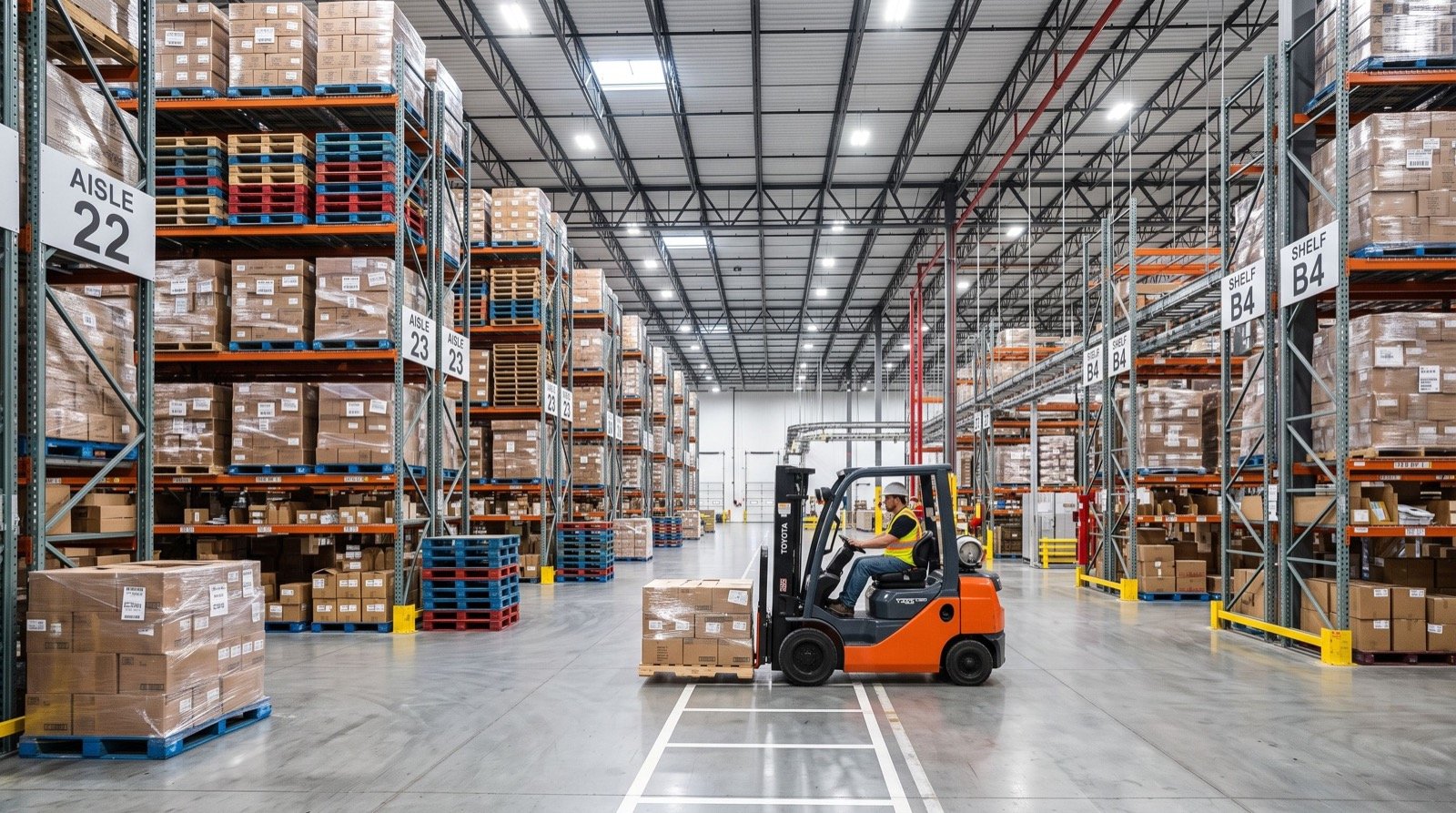
Workshops, fleets, and facility teams live and die by what sits on their shelves. When a critical component goes missing, a whole operation can grind to a halt, which is why professional Storage for Spare Parts is far more strategic than most managers realize. Getting it right keeps machines running, technicians productive, and downtime costs firmly under control.
This guide looks at the practical side of storing industrial parts and, alongside them, the cleaning supplies and chemicals that keep facilities compliant and safe. Both categories share a common truth: sloppy storage costs money quietly, while organized storage pays you back every single day.
Why Smart Storage for Spare Parts Pays Off
Spare parts represent capital sitting on a shelf. Store them badly and you face two problems at once. First, parts get lost, duplicated, or damaged, wasting money. Second, when a machine fails, staff waste hours hunting for the right component instead of fixing the issue.
A well-run parts store solves both. Clear labeling, logical zoning, and accurate records mean the right part is always findable in seconds. That speed directly shortens repair times and keeps equipment earning.
Common Mistakes That Drain Budgets
Most parts-storage problems come down to a handful of avoidable habits. Recognize them early and you save both cash and frustration.
- Mixing fast-moving and slow-moving parts on the same shelf
- No barcode or numbering system, so counts are guesswork
- Storing metal components in damp areas where they corrode
- Over-ordering because nobody trusts the inventory record
- Leaving heavy items on high racks, creating safety risks
Fixing these is not expensive. It mostly requires discipline, a clear system, and a facility built for the job rather than a spare corner of the yard.
Organizing a Parts Store That Works
Good organization follows logic, not habit. Set the store up once around real usage patterns and it will keep serving you for years.
- Classify parts by how often they are used, not by size.
- Place high-turnover items at waist height near the counter.
- Assign every part a unique code and matching shelf location.
- Protect precision and metal parts from humidity and dust.
- Audit stock monthly and adjust reorder points accordingly.
Professional facilities that specialize in Storage for Spare Parts often provide racking, climate control, and inventory support out of the box, saving you the hassle of building it all yourself.
Cleaning Supplies: The Storage Nobody Plans For
Cleaning products and chemicals are the second half of the facility-storage puzzle, and they carry their own rules. Many are flammable, corrosive, or reactive, so they cannot simply share a shelf with everything else.
Dedicated Storage for Cleaning Supplies keeps hazardous items separated, ventilated, and clearly labeled. This protects both your staff and your stock, and it keeps you on the right side of safety regulations.
Safe Chemical Storage Basics
A few core principles govern chemical storage everywhere. Follow them and you dramatically reduce the risk of spills, fumes, and dangerous reactions.
| Principle | Why It Matters |
|---|---|
| Separate incompatibles | Prevents dangerous chemical reactions |
| Good ventilation | Disperses fumes and reduces buildup |
| Secondary containment | Catches leaks before they spread |
| Clear labeling | Ensures staff handle products correctly |
| Temperature control | Keeps volatile products stable |
Guidance from the U.S. Occupational Safety and Health Administration on hazardous materials is a solid reference point for anyone setting up chemical storage, and its principles map cleanly onto facility management practices for 2026.
Bringing Both Categories Under One Roof
Many operations need both parts and cleaning-supply storage at once. Combining them with a single provider simplifies logistics, as long as the facility keeps the two properly separated by zone and safety rules.
The advantage is coordination. One inventory system, one point of contact, and one delivery schedule reduce administrative drag. Just confirm the provider genuinely understands hazardous-material handling and does not treat chemicals like ordinary boxes.
Choosing the Right Partner
Not every warehouse is equipped for this work. Look for demonstrated experience with both industrial parts and regulated supplies before you commit.
Shortlisting reputable service experts with a track record in facility storage saves you from expensive mistakes. Ask about their safety certifications, their inventory technology, and how they handle spills or recalls.
For broader best practices on inventory accuracy and warehouse discipline, the ISO occupational health and safety standard offers a respected framework that many professional providers already follow.
Turning Storage Into a Downtime Weapon
The real payoff of good parts storage shows up in your uptime figures. Every minute a technician spends searching for a component is a minute a machine sits idle. Multiply that across a fleet or a factory floor and the cost becomes staggering.
Organized storage flips that equation. When parts are coded, located, and tracked accurately, repairs start immediately and finish faster. The store stops being a cost center and becomes a genuine competitive advantage that keeps your operation moving.
Using Data to Right-Size Stock
Guessing at reorder quantities ties up cash and clutters shelves. A data-driven approach fixes both problems by matching stock levels to actual usage patterns rather than gut feel.
Track how often each part is pulled, how long deliveries take, and which failures repeat. Then set minimum and maximum levels for every line. Over a few months, this trims dead stock while ensuring the parts you truly need are always on hand when a breakdown hits.
Frequently Asked Questions
How should I organize spare parts for fast retrieval?
Sort parts by usage frequency, assign each a unique code tied to a fixed shelf location, and keep fast movers at easy reach near the counter. Accurate records are the key to finding anything in seconds.
Can cleaning chemicals be stored with other goods?
Generally no. Many cleaning products are flammable or corrosive and must be stored in a separate, ventilated zone with proper containment. Mixing them with regular stock creates real safety hazards.
Do spare parts need climate control?
It depends on the material. Metal and precision components benefit from humidity control to prevent corrosion, while rugged plastic or rubber parts often tolerate standard ambient conditions.
Is combined parts and supply storage a good idea?
Yes, provided the facility separates the two by zone and follows hazardous-material rules. Consolidating under one provider streamlines inventory management and cuts administrative overhead.
The Bottom Line
Reliable Storage for Spare Parts keeps your equipment running, while safe, dedicated storage for cleaning supplies protects your people and your compliance record. Treat both as strategic assets rather than afterthoughts. Build a logical system, separate the hazardous from the ordinary, and choose a provider who genuinely knows the difference. Do that in 2026 and your operation will run cleaner, safer, and with far less downtime.
Begin with a simple audit of what you store today. Count the duplicate parts, the corroded components, and the chemicals sitting where they should not be. Each of those is a small leak in your budget. Fix the layout, add proper coding, and enforce safe separation for hazardous supplies. Within a few months the store transforms from a source of frustration into one of the most dependable parts of your entire operation.