The panels get the attention, but the company that installs them decides whether your solar investment becomes a source of pride or a lingering regret. Across Pakistan, the surge in demand for rooftop solar has drawn in a wave of installers, and the quality varies enormously. Some are seasoned teams with engineers and years of completed projects behind them. Others are opportunists who assembled a crew last season and will vanish the moment a warranty claim appears.
Choosing well is not about luck. There are clear signs that separate a dependable installer from a risky one, and knowing them protects you from the expensive mistakes that trap so many first-time buyers. This guide lays out exactly what to look for, what questions to ask, and what warning signs should send you looking elsewhere.
Experience and a real track record
The first thing to establish is how long a company has genuinely been installing solar and how many systems they have completed. A firm with years of local projects has encountered the problems that only show up over time: shading issues, roof types that need special mounting, inverter faults, and the quirks of connecting to the local grid. That experience translates directly into a smoother installation for you.
Ask to see examples of past work, ideally systems similar in size to yours. A confident installer will happily point you to completed projects and, better still, to customers willing to vouch for them. Vague answers or a reluctance to share references are an early hint that the track record may be thinner than claimed.
Proper assessment before any quote
A trustworthy installer does not price your system over the phone. They visit your home, inspect your roof, study your electricity bills, and ask how your household actually uses power. This assessment is what allows them to size the system correctly and spot issues, such as shading or structural limits, that affect the design.
Beware anyone who hands you a quote without seeing your property. A number pulled from thin air is almost always wrong, and correcting it later usually means either an underperforming system or an unpleasant surprise on the final bill. The willingness to do a proper survey is one of the clearest signals of a professional outfit.
Transparent pricing and honest advice
Good installers explain where your money goes. They itemise the panels, inverter, batteries, mounting, and labour, and they walk you through the trade-offs rather than pushing the most expensive option. Crucially, they are honest about what you do and do not need. An installer who talks you out of oversized battery storage you will never use has just earned your trust.
When you research options, look closely at how a firm presents itself and its history. Reading the background of a solar company in Kohat tells you a great deal about whether it is built for the long term or the quick sale. Companies proud of their story and their team tend to be the ones that stay around to honour their commitments.
Quality components and clear warranties
The best installation in the world cannot rescue poor equipment. A reliable installer works with reputable panel and inverter brands and is upfront about the warranties attached to each. They should be able to tell you exactly how long the panels are guaranteed, what the inverter warranty covers, and how battery replacement is handled down the line.
Be cautious of installers who are cagey about brands or who push unfamiliar, unbranded gear at prices that seem too good to be true. Cheap components fail early, and when they do, the savings vanish. Partnering with the best solar company you can find usually means paying a fair price for equipment that lasts, rather than the lowest price for parts that do not.
After-sales support that actually exists
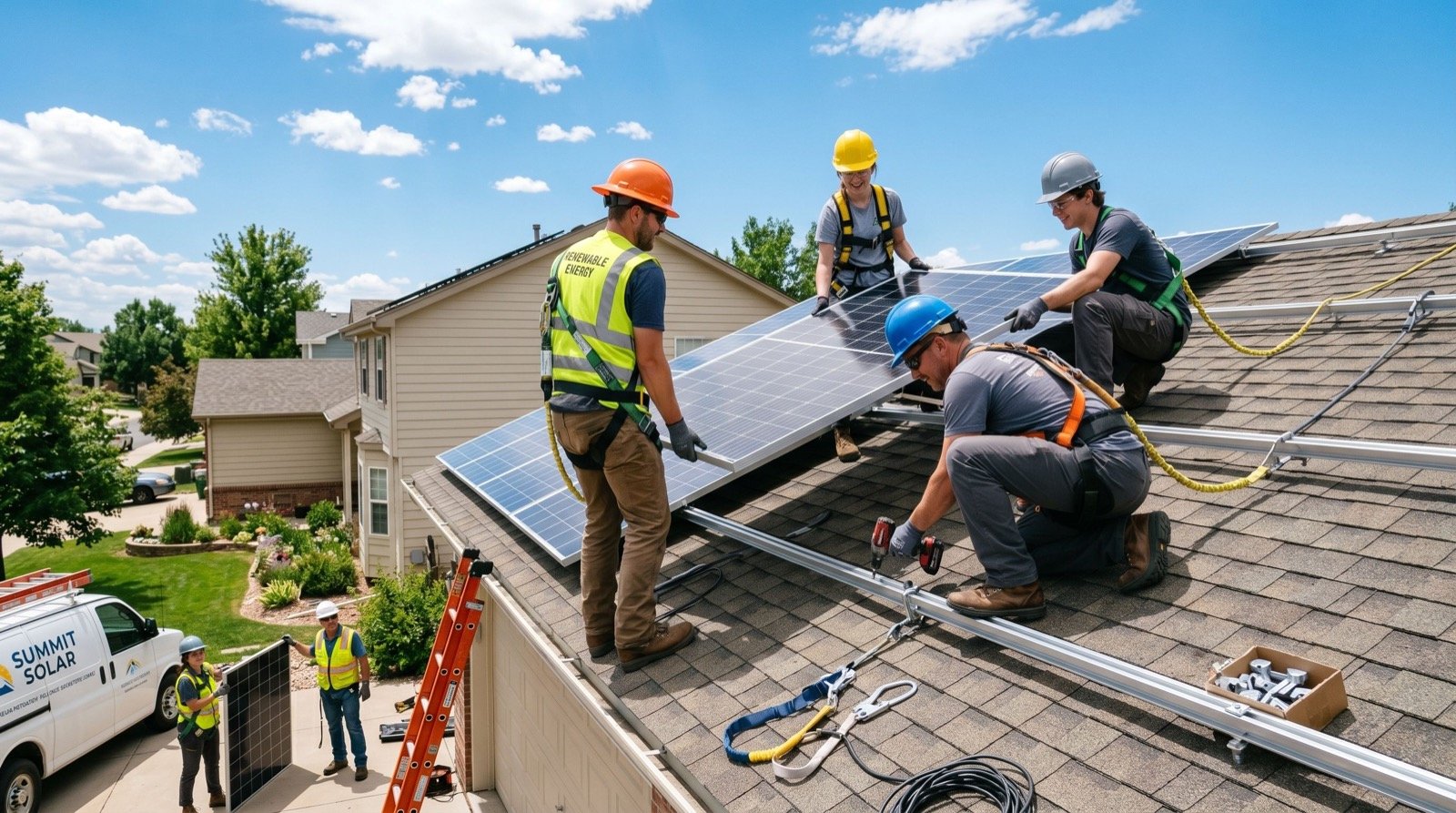
The relationship with your installer does not end when the system switches on. Over the years you will want cleaning, occasional checks, and eventually service or part replacement. An installer with genuine after-sales support answers the phone, responds to faults promptly, and keeps records of your system. One without it leaves you stranded the first time something goes wrong.
Ask directly about their service policy. How fast do they respond to a reported fault? Do they offer maintenance visits? Do they stock spare parts locally? The answers reveal whether they see you as a one-off transaction or a long-term customer.
- Verify years in business and ask to see completed projects.
- Insist on an on-site assessment before accepting any quote.
- Demand itemised pricing and honest advice on what you need.
- Confirm equipment brands and read every warranty carefully.
- Check the after-sales service policy before you sign.
Net metering and paperwork handled properly
Connecting your system to the grid and setting up net metering involves paperwork and coordination with the utility. A capable installer manages this for you, ensuring the approvals, documentation, and metering are done correctly. Botched paperwork can delay your ability to sell surplus power back or, worse, create compliance problems later.
When you interview installers, ask whether net metering setup is included and whether they have handled it before in your area. Familiarity with the local process saves weeks of frustration and ensures you start earning the full benefit of your system from day one.
Trusting reviews and reputation
In an industry with so many players, reputation is one of your most reliable filters. Read reviews, ask neighbours who have gone solar, and pay attention to how a company responds to complaints as much as to praise. A firm that handles a rare problem gracefully is often safer than one with only glowing reviews and no visible history.
Ultimately, the goal is to place your project in the hands of reputable service experts who have earned their standing through consistent, honest work. That reputation is the closest thing you have to a guarantee that your installation will be done right and supported afterward.
Key Takeaways
- Experience and a verifiable track record separate reliable installers from risky ones.
- A proper on-site assessment should precede any serious quote.
- Transparent, itemised pricing and honest advice signal a trustworthy firm.
- Quality branded components with clear warranties protect your investment.
- Strong after-sales support and a good reputation matter for the long run.
Making the right choice
Your solar panels may sit on the roof for the next twenty-five years, but the decision that shapes their performance is made long before installation day, when you choose who to trust with the job. Take your time, ask hard questions, insist on a real assessment, and weigh reputation as heavily as price. The right installer sizes your system correctly, uses equipment that lasts, handles the paperwork, and stays reachable for years. Choose carefully, and you will not just buy solar power. You will gain a partner who helps you get the most from it for decades to come.